A Journey Through India's Imperial Heart
Delhi • Agra • Jaipur
Three cities, three empires, one continuous thread of craft. This journey moves from the layered streets of Delhi, through the marble wonder of Agra, into the living workshops of Jaipur — where the artisans behind India's greatest monuments are still, generations later, at the bench.
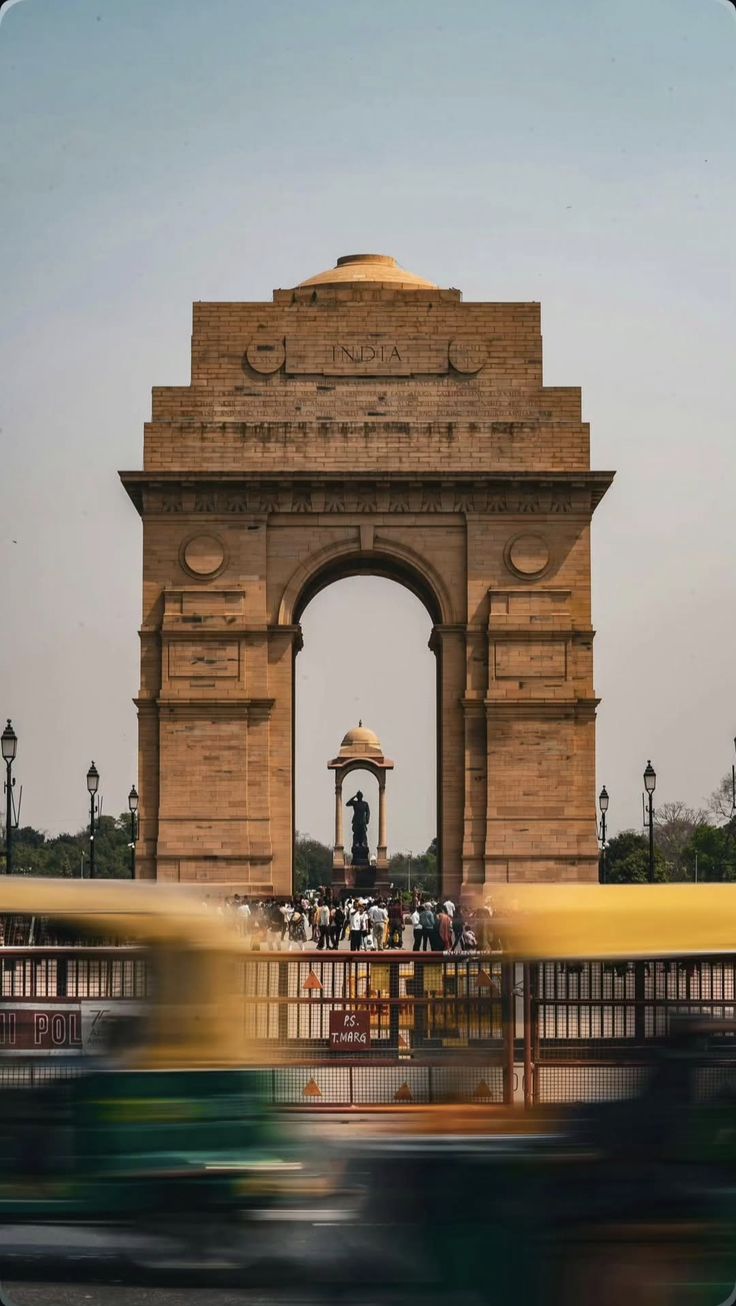
Delhi is never just one era — it's Mughal, colonial, and modern, standing on the same street corner. Jama Masjid opens the journey with Mughal architecture and Islamic tradition at dusk; Old Delhi's storytelling walk moves through spice, textile, and jewellery markets that have traded in the same lanes for centuries. New Delhi answers with Lutyens' colonial grandeur — India Gate, the President's House, Humayun's Tomb — before the day closes at a host family's table, where history gives way to the everyday.
"Before the monuments, Delhi shows you every empire that built this city, still standing side by side."
The marble inlay artisans of Jaipur trace their technique directly to the craftsmen of the Taj — the same stone-cutting method, passed down instead of forgotten. In Bagru, master block-printers teach the full process of natural dye and hand-carved wooden blocks before guests print their own stole. Lac bangle makers, brass workers, and an optional blue pottery workshop round out a day built entirely around hands, not monuments.
"This is the chapter where craft stops being something you look at, and becomes something you learn."
An early stop at Chand Baori, one of India's most spectacular stepwells, sets the scale before Amer Fort — reached on foot, not by vehicle, to earn its courtyards properly. Hawa Mahal's façade, a Krishna temple's morning prayers, and City Palace's royal collections trace the Rajput lineage that still occupies part of the palace today — patrons whose courts built the very artisan economy explored the day before. "Every craft in this city was funded by a court that's still, in some form, in residence."
The Monument Behind the Postcard
A sunrise visit strips the Taj Mahal of its postcard familiarity; guests hear the story of the craftsmen who built it, not just the emperor who commissioned it. Agra Fort follows with tales of Mughal power struggles told from inside its walls, and a visit to Wildlife SOS reframes the day around a quieter kind of legacy: rescued elephants and sloth bears, and the conservationists undoing decades of exploitation.
"Everyone has seen the Taj. Almost no one has met the descendants of the hands that carved it."